A workshop entitled “Dietary Supplements and Their Role in Human Health” was organized under the patronage of the Dean of the College of Science for Women, Professor Dr. Sameera Naji Khdim. The Continuing Education Unit, in collaboration with the Department of Biology, held the workshop.
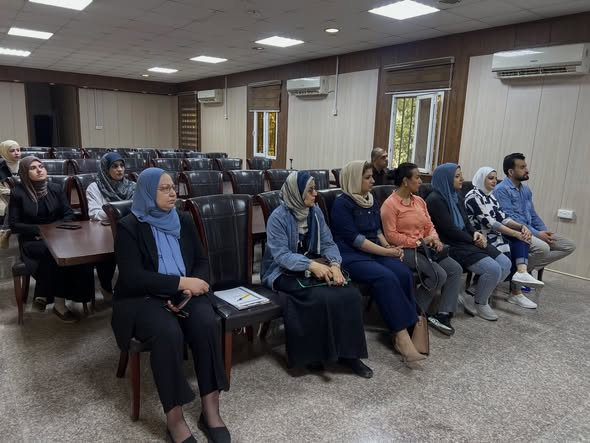
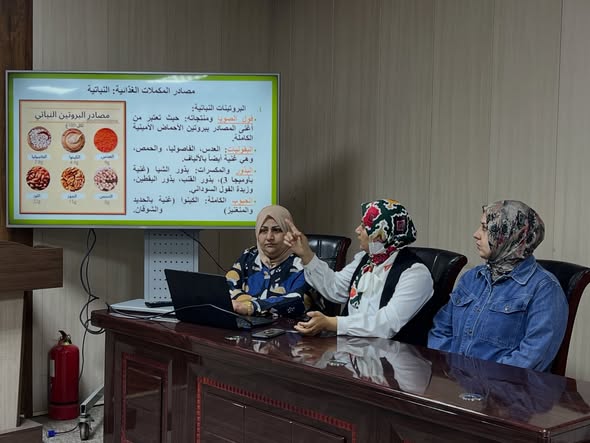
The workshop was presented by Dr. Abeer Mohammed Hussein, Dr. Saja Hassan Abdul Amir, and Dr. Basma Ali Jassim. It was conducted in the Hospitality Hall and attended by a number of faculty members, staff, and female students.
The workshop aimed to introduce dietary supplements and their role in supporting human health, as well as to clarify the indications for their use and the potential consequences of improper consumption. Dietary supplements were defined as products intended to support the diet by providing nutrients that may be lacking in daily meals or not consumed in sufficient quantities.
These products encompass a wide range of substances, including vitamins and minerals essential for maintaining vital bodily functions, as well as herbal extracts believed to offer specific health benefits. They also include enzymes and amino acids that contribute to metabolic processes and tissue building. The workshop outlined various sources of dietary supplements, with particular emphasis on plant-based sources. For example, certain vitamins and minerals can be obtained from plants; however, vitamin B12 is typically acquired from fortified products or specialized bacterial cultures due to its absence in natural plant sources. Vitamin D3 can be derived from algae and fungi, while calcium may be obtained from soybeans, almonds, and broccoli. Iron and zinc can be sourced from lentils, spinach, and pumpkin seeds.
The workshop also addressed other sources of dietary supplements, including animal-based sources (such as meat, dairy products, and fish), in addition to pharmaceutical-grade supplements manufactured in specific concentrations to meet particular needs. Furthermore, it discussed fortified foods enriched with nutrients to compensate for dietary deficiencies.
Emphasis was placed on the importance of the appropriate use of dietary supplements and the risks associated with excessive intake without professional consultation, as such practices may lead to adverse effects or harmful drug interactions that negatively impact human health. The workshop witnessed notable engagement between participants and the organizers, reflected in active discussions and interactions.