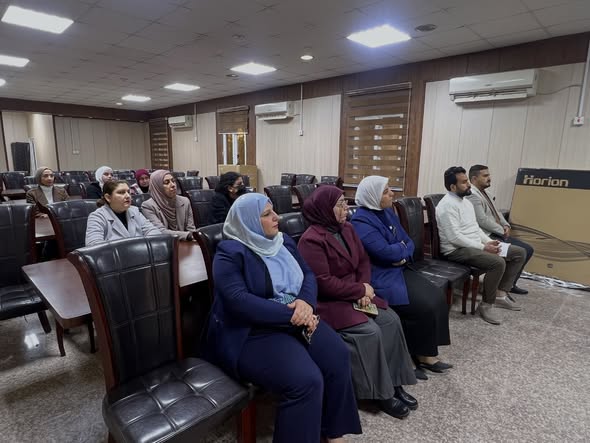
The Department of Biology at the College of Science for Women, in cooperation with the Continuing Education Unit, organized a scientific workshop entitled “Antibiotic-Induced Microbial Dysbiosis: Effects on Microbiome Composition and Host Health”, under the patronage of the Dean of the College of Science for Women, Prof. Dr. Sameera Naji Khdim, and in the presence of a number of faculty members, staff, and female students.
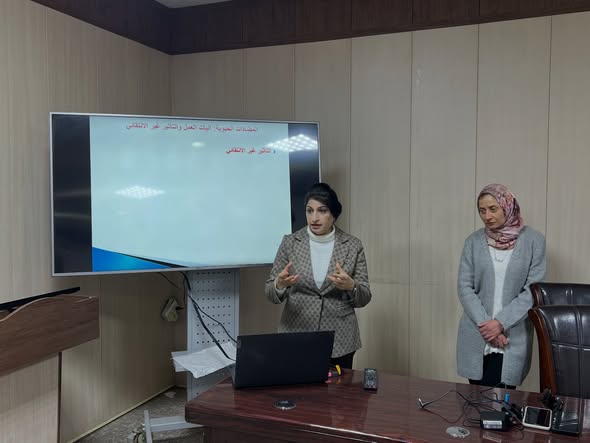
The workshop was presented by M.s Maysam Blasim Naeem and Dr. Halah Haitham Mohammed Ali. It aimed to highlight the potential negative effects of antibiotics on the balance of the human microbiome and their impact on host health, in addition to introducing the concept of the microbiome and its vital importance in maintaining the body’s physiological balance.
The workshop included a scientific explanation of the concept of the microbiome as the community of microorganisms that live in symbiosis with the human body, particularly in the gastrointestinal tract, skin, oral cavity, and reproductive system. Its essential functions were clarified, including contributing to the digestion of complex dietary compounds, supporting the immune system, maintaining the integrity of the intestinal barrier, and preventing the colonization of pathogenic organisms.
The lecturers also addressed the concept of microbial dysbiosis as a disturbance in the balance of the gut microbiota, characterized by reduced bacterial diversity, changes in the abundance of certain strains, and alterations in microbial functions. The mechanism by which this imbalance occurs as a result of the improper use of antibiotics—which do not distinguish between beneficial and pathogenic bacteria—was explained, leading to the loss of beneficial strains and disruption of the natural microbial environment.
The workshop indicated that this imbalance contributes to a reduction in the production of important bioactive metabolites, such as short-chain fatty acids, which play a major role in supporting the health of intestinal epithelial cells. It also weakens the microbiome’s ability to resist pathogen colonization and affects the integrity of the intestinal barrier due to decreased production of antimicrobial peptides and mucins.
The workshop further discussed antibiotic-associated diarrhea as one of the most prominent clinical consequences of microbial dysbiosis, resulting from disturbances in gut microbiota and the overgrowth of certain pathogenic or opportunistic strains, leading to various health complications.
At the conclusion of the workshop, the lecturers emphasized the necessity of rational antibiotic use in accordance with approved medical guidelines and the importance of raising awareness about preserving microbiome balance, given its pivotal role in supporting human health and preventing many diseases.