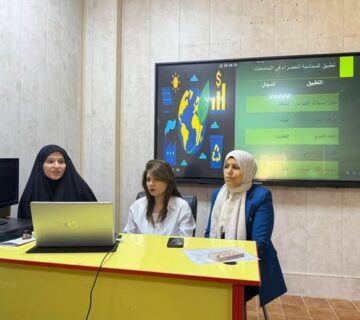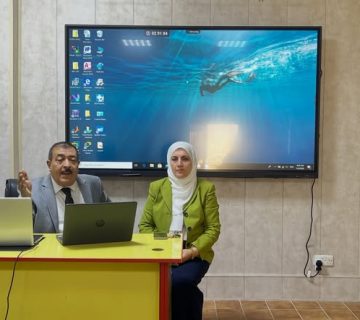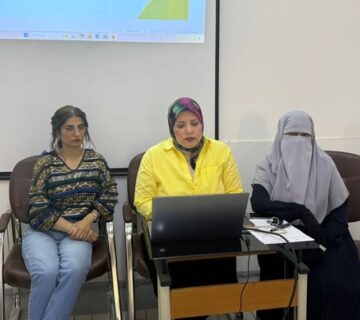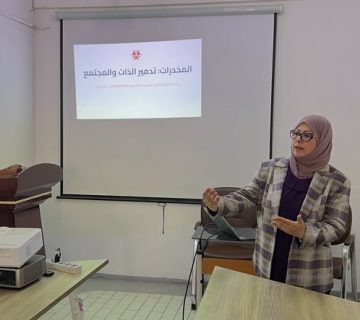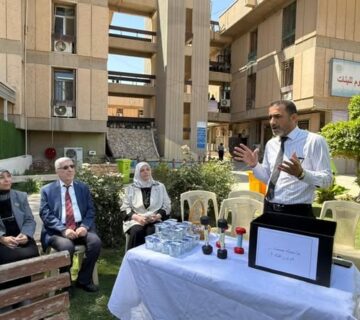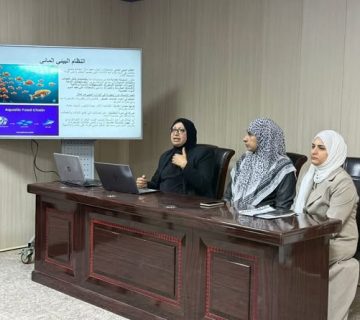

Under the patronage of the Dean of the College of Science for Women – University of Baghdad, Dr. Sameera Naji Khdim , the Continuing Education Unit organized a workshop titled “The Ethical and Legal Framework for Combating Administrative Corruption.” The workshop was presented by Dr. Adel Hussein Talib and Dr. Salah Khairi Jaber, with the attendance of a number of faculty members and staff.
The workshop aimed to provide a comprehensive scientific discussion of the concept of administrative corruption, identified as one of the most serious challenges facing modern societies and institutions due to its detrimental effects on ethical values, economic resources, and levels of trust between individuals and institutions.
The workshop clarified that administrative corruption is not limited to bribery but also includes favoritism, nepotism, abuse of position for personal gain, manipulation of regulations and instructions, deliberate negligence in performing official duties, leaking official information, and the misuse of public funds.
The workshop emphasized that the employee represents the first line of defense against corruption, and that professional values—such as integrity, honesty, transparency, justice, and functional responsibility—constitute the foundation of any genuine administrative reform. It also highlighted that laws alone are insufficient unless paired with a living conscience and internal moral awareness capable of regulating professional conduct and preventing administrative deviations. Additionally, the workshop reviewed the legislative and legal frameworks for combating corruption in Iraq, as well as the role of oversight bodies responsible for detecting violations and conducting related investigations.
The discussion further addressed mechanisms for reporting cases of corruption, legal protections afforded to whistleblowers, the importance of cooperation between employees and senior management, and the necessity of applying the principle of accountability to all without exception. The practical component included the presentation of several models and hypothetical cases depicting various forms of administrative corruption within educational institutions. These cases were analyzed and discussed in terms of appropriate legal and ethical methods for addressing them, which helped translate theoretical concepts into practical, applicable understanding within the workplace environment.
The workshop witnessed broad and productive engagement from participants through questions, contributions, and the exchange of views and experiences, as well as discussion of preventive mechanisms and solutions. Attendees affirmed the importance of continuing such initiatives, which contribute to promoting a culture of integrity, strengthening the spirit of collective responsibility, and protecting the academic community from negative practices.
The workshop aims to raise awareness of the risks of administrative corruption, reinforce principles of integrity and transparency, strengthen values of citizenship and responsibility, support good governance within educational institutions, and prepare personnel capable of safeguarding public funds and institutional integrity from administrative or legal misconduct.
At the conclusion of the workshop, the presenters stressed the importance of regularly organizing similar workshops, intensifying awareness programs across departments and units, enhancing self-regulation and professional commitment, and supporting a community culture that rejects corruption in all its forms.