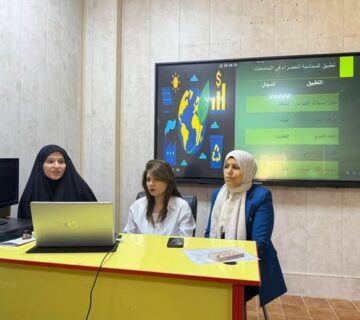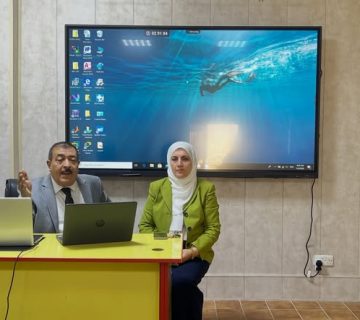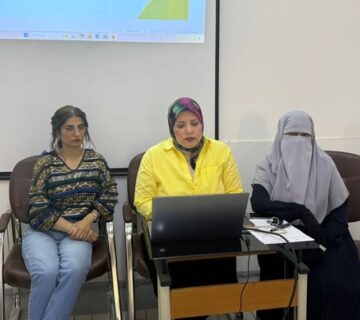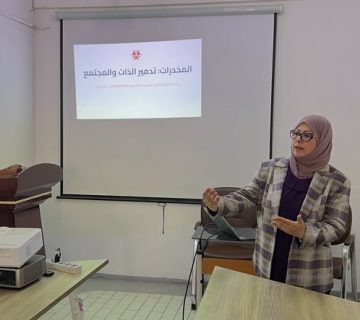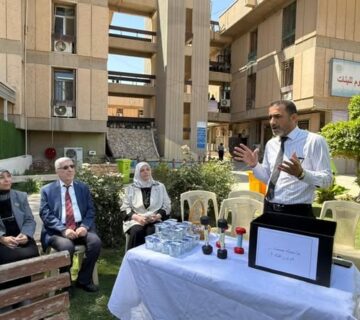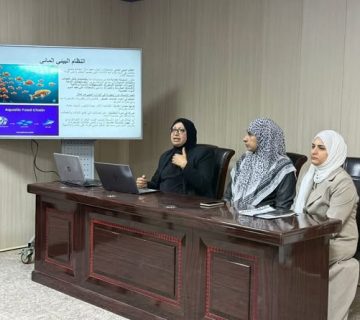

Under the patronage of the Dean of the College of Science for Women, Professor Dr. Sameera Naji Khdim, the Continuing Education Unit organized an advanced training course entitled “Chemical Safety and Security for Postgraduate Students in the Research Stage.” The course was presented by Prof. Dr. Nasser Dheyaa Shaalan and Dr. Ahmed Younis Abd, with wide attendance from postgraduate students across various scientific disciplines, who demonstrated clear interest in the course topics.
The course aimed to enhance students’ research skills and strengthen their knowledge in the field of occupational safety, particularly during the research phase, which requires precision and competence in handling chemical substances and sensitive laboratory equipment.
The course highlighted the importance of promoting a culture of safety within academic institutions, emphasizing that safety is not merely a set of procedures, but a scientific awareness and behavior that must accompany the researcher from the moment they enter the laboratory until their work is completed. The instructors discussed in detail the methods of risk assessment for each laboratory experiment, the distinction between highly toxic, moderately toxic, and low-toxicity chemicals, as well as mechanisms for reading chemical labels and identifying internationally recognized hazard symbols. They also addressed the importance of applying safe storage principles and determining chemical compatibility to prevent hazardous reactions.
The course further included a discussion of challenges faced by researchers during postgraduate studies, such as preparing safety plans for research projects, identifying each project’s needs in terms of personal protective equipment, and proper methods of chemical waste disposal. Examples of common laboratory incidents that occurred in local and international research institutions were reviewed, explaining their causes and the optimal ways of dealing with them. This provided students with a realistic understanding of potential risks during their research work.
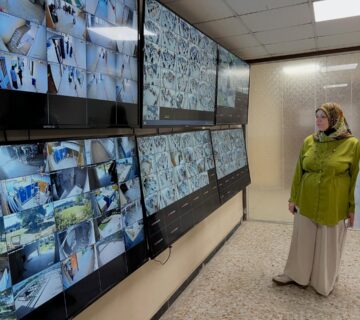
The course was marked by active student engagement, with participants asking questions about the use of toxic vapor detection devices, procedures for handling chemical spills, and methods for preparing laboratory safety records. The students showed considerable interest in chemical security, particularly in relation to documentation of materials and preventing access by unauthorized individuals. The instructor provided a comprehensive explanation of security measures and regulations governing the storage of sensitive materials and related equipment.
In conclusion, the session emphasized the importance of such courses as a fundamental pillar in building researchers’ capacities and developing their practical skills. The course was praised for providing valuable scientific knowledge and practical guidance that contribute to strengthening a safe scientific research environment. The organizers expressed their commitment to implementing further training programs that support students and enable them to conduct their research in accordance with safety standards and academic quality.