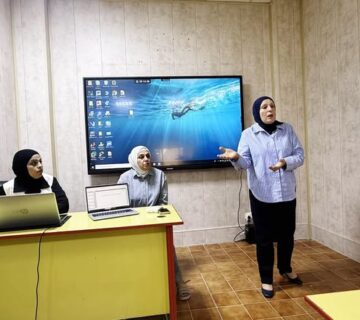
In line with the Sustainable Development Goals, particularly Goal 12: Responsible Consumption and Production, which focuses on reducing waste by increasing recycling rates and utilizing recycled materials as valuable resources, the College of Science for Women has adopted an integrated recycling initiative since 2021, aiming to promote environmental awareness and instill a culture of sustainability among students.
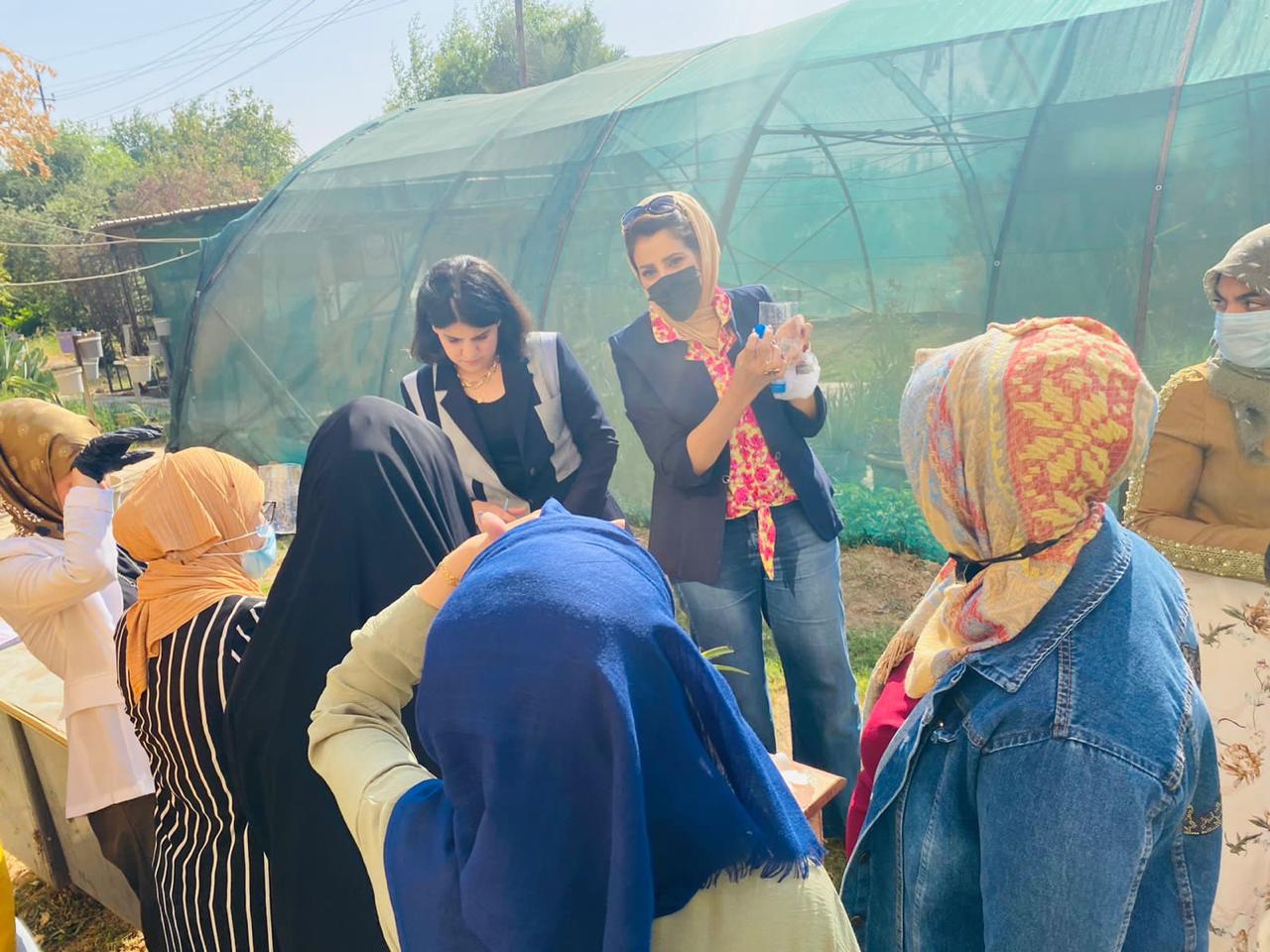
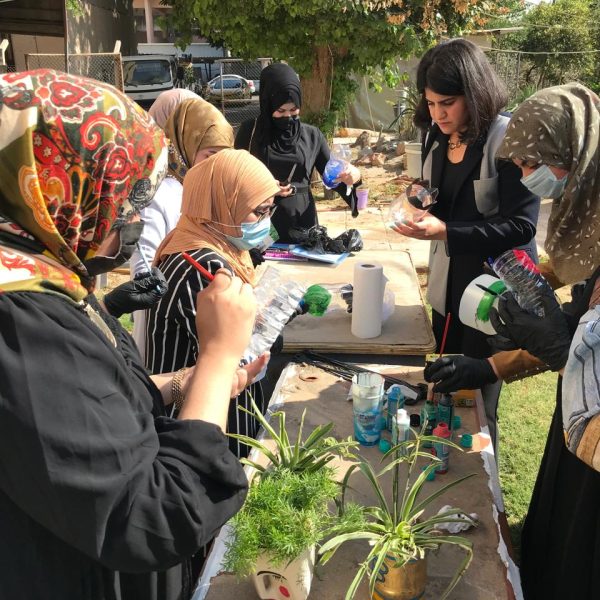
The first step of the initiative began with holding an open practical lesson on recycling plastic bottles of various shapes and sizes and transforming them into flower vases and plant pots, marking a practical starting point toward achieving the initiative’s objectives.


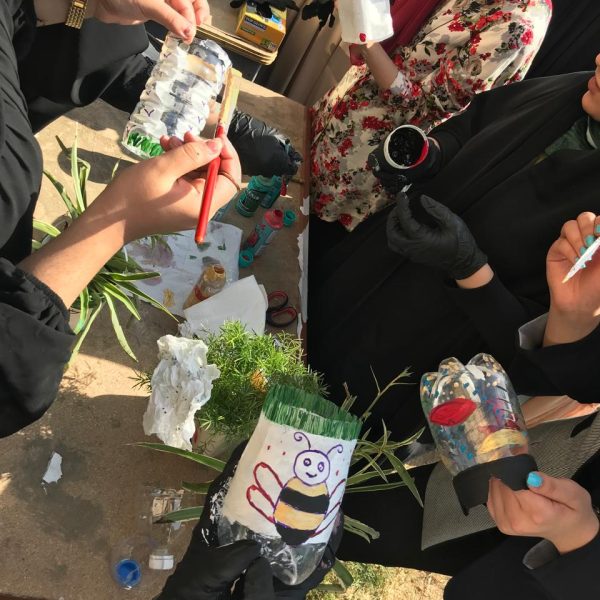
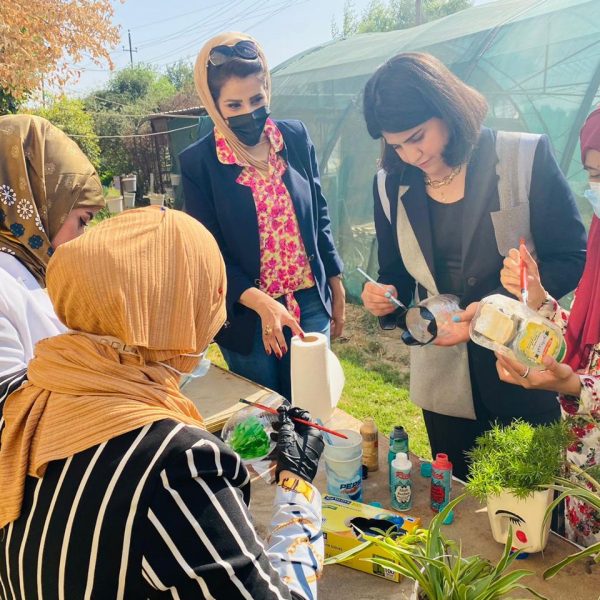
The second step involved allocating a dedicated workspace as a fully equipped artistic workshop, supplied with all necessary electrical devices and tools to manufacture products from wooden, metal, glass, paper, and plastic waste, as well as used car tires.
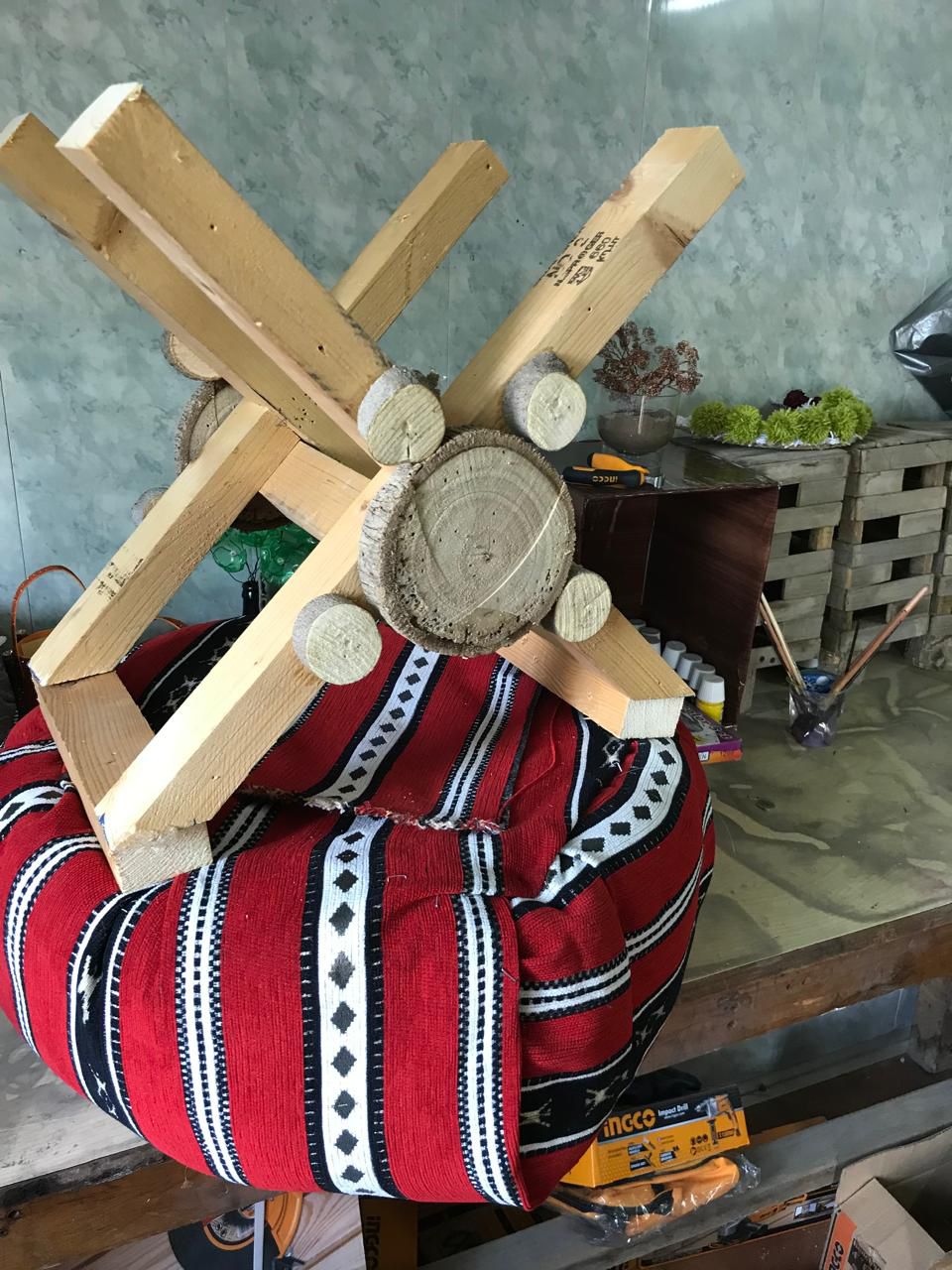
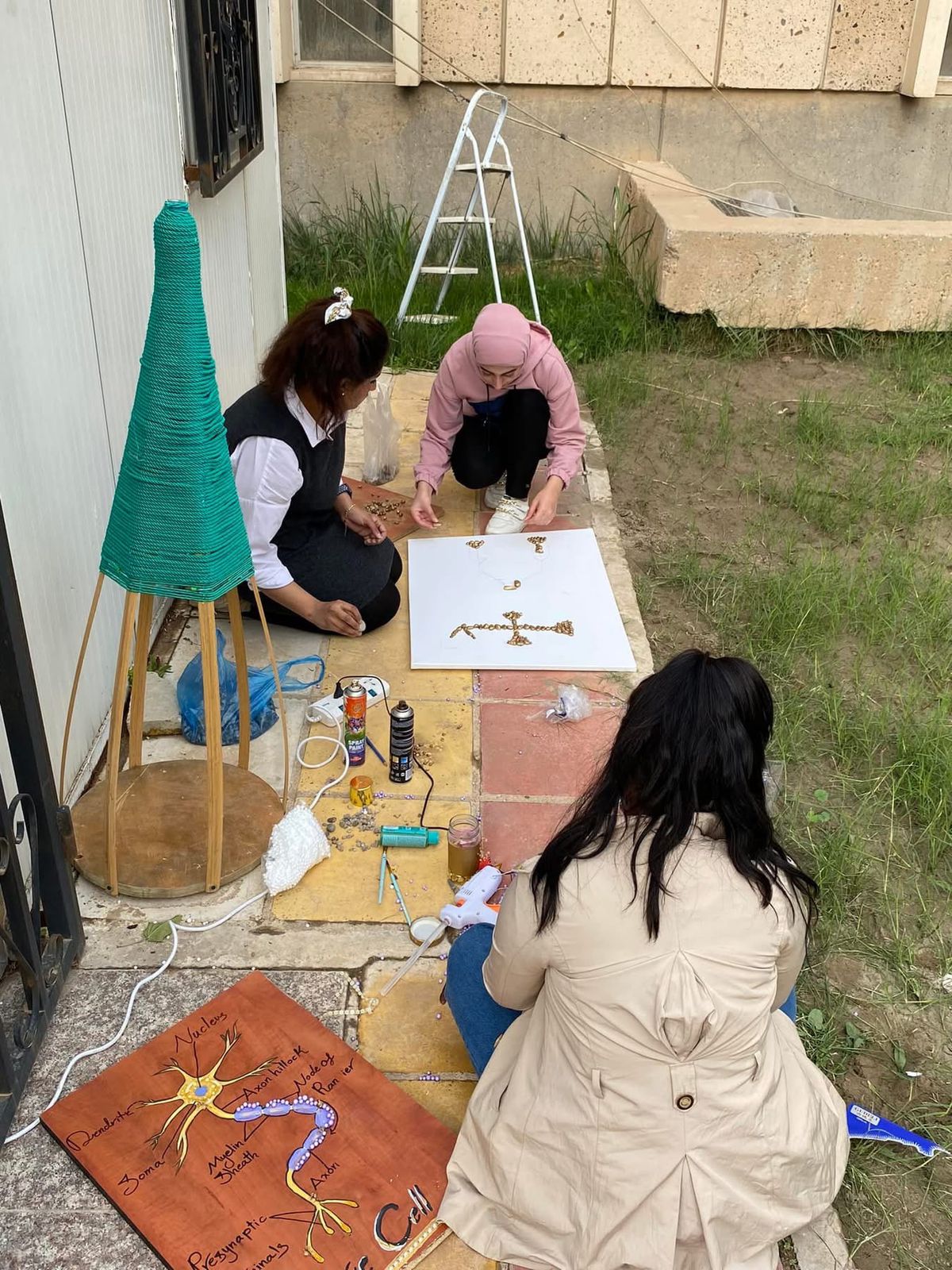
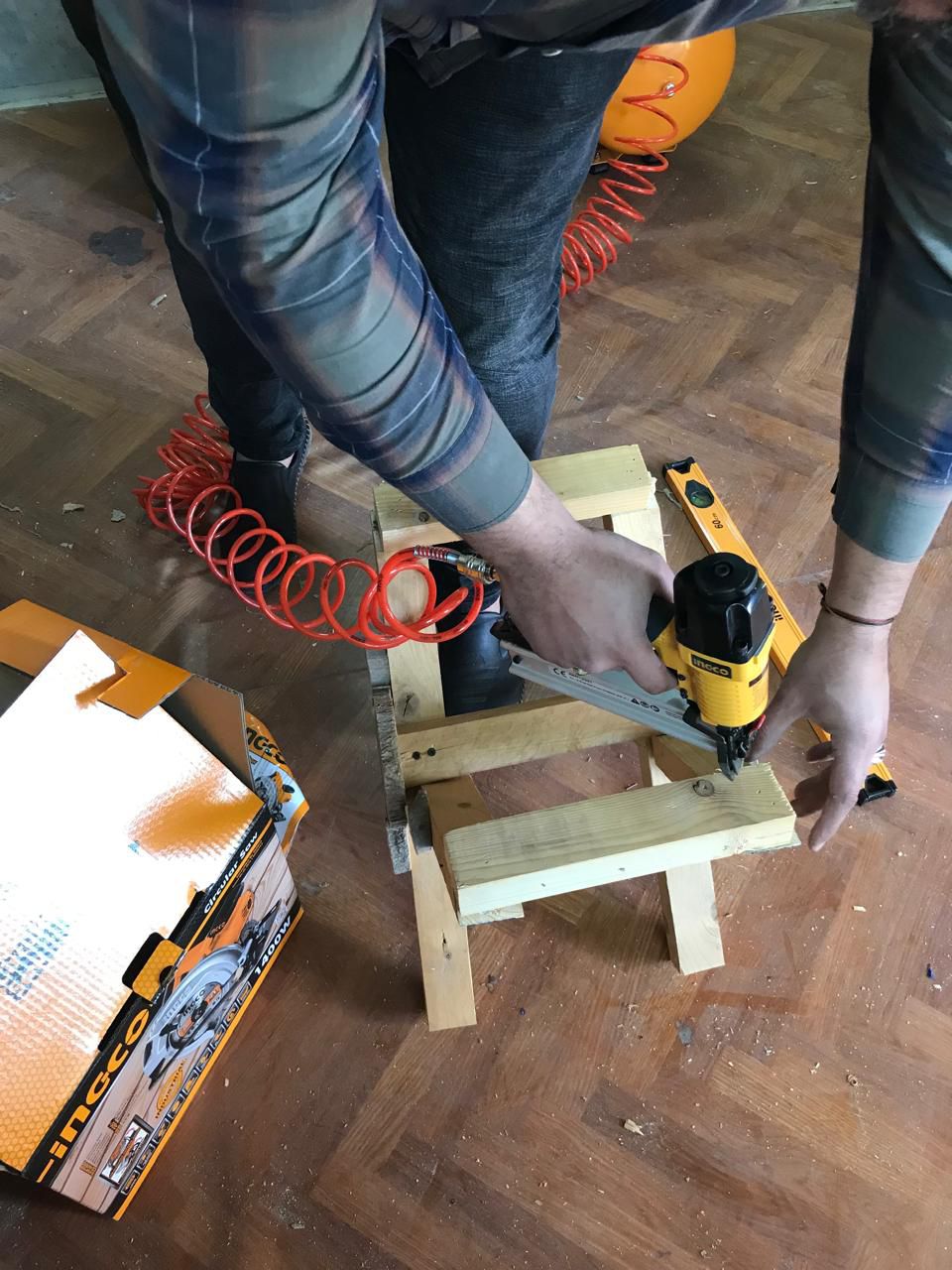
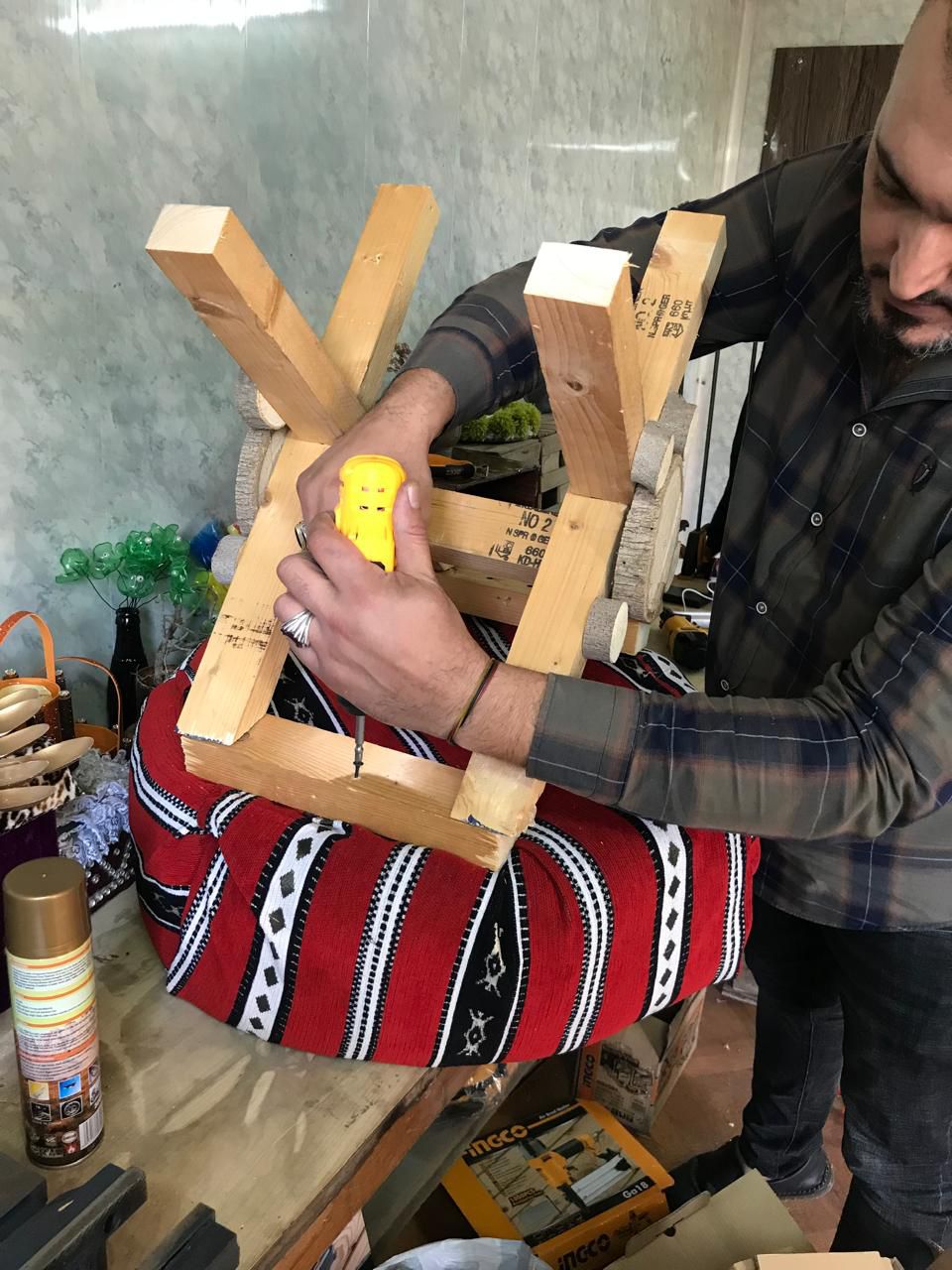
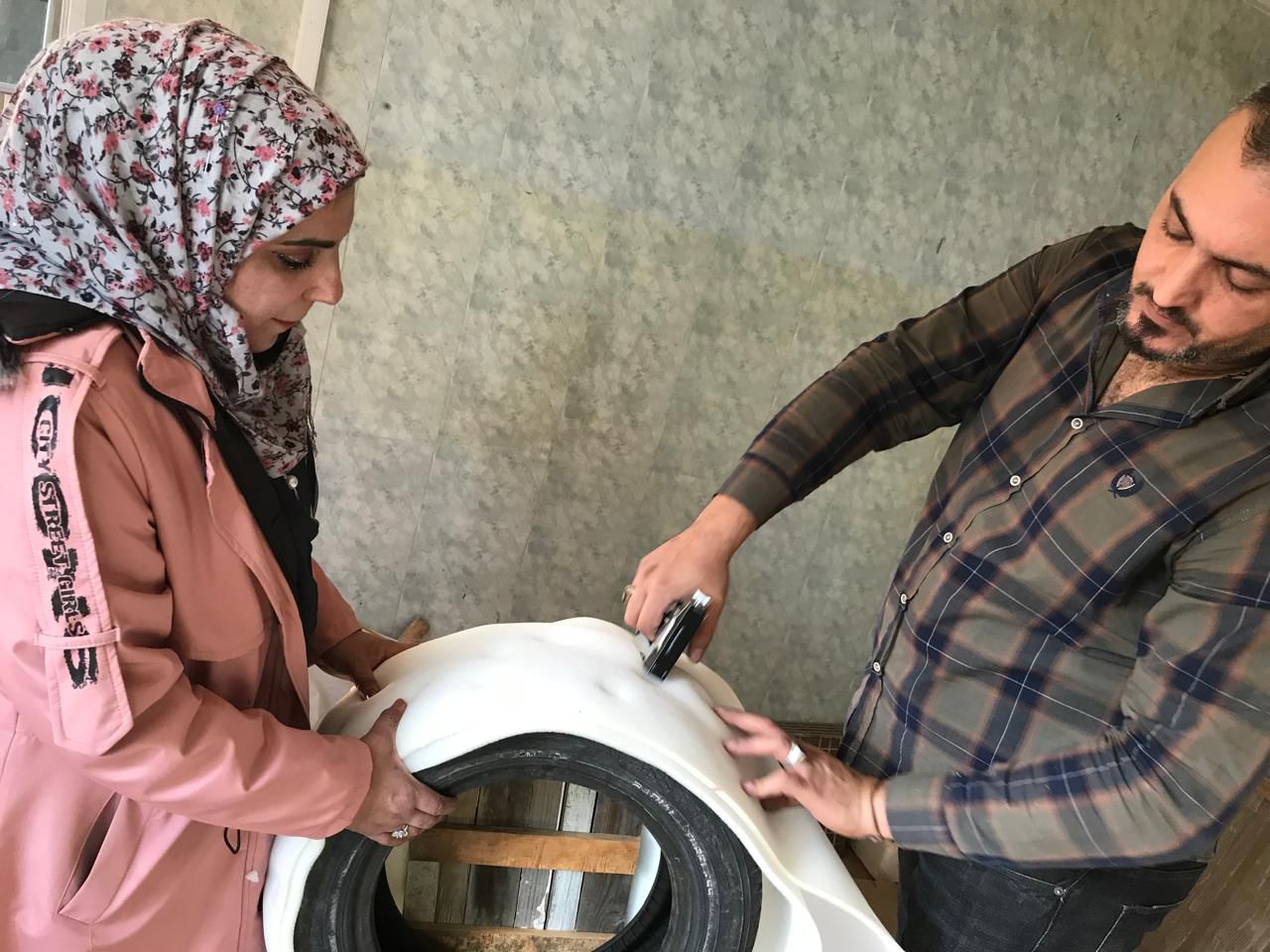
As for the third step, active work began with students and staff to create various products from waste materials in large quantities, in preparation for participation in student activity festivals and exhibitions at both the college and university levels. The official announcement of the recycling initiative was launched during the extracurricular festival of the Life Sciences Department, in the presence of the university media and the official in charge of artistic activities. Work in this direction continues to this day.



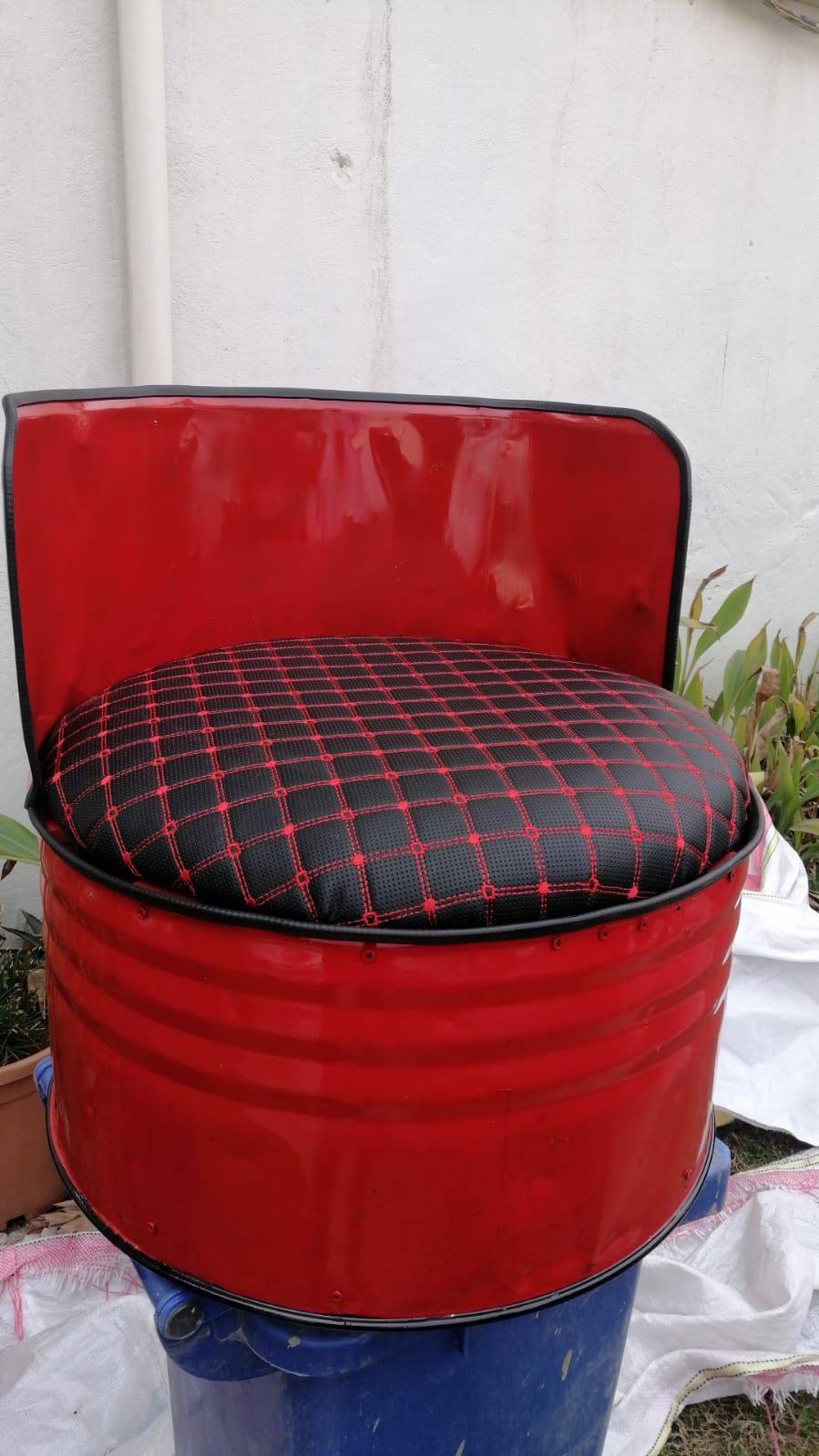
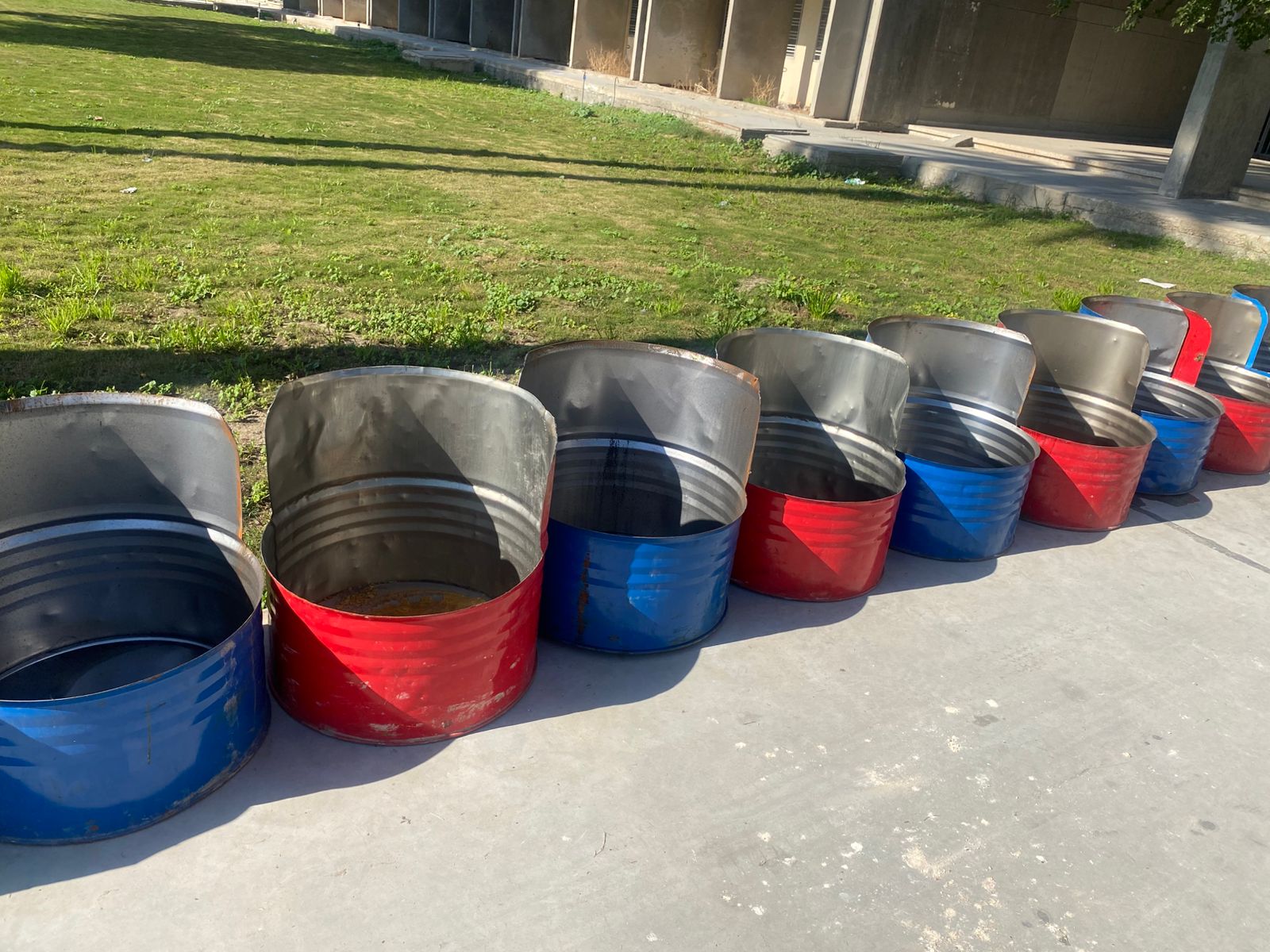
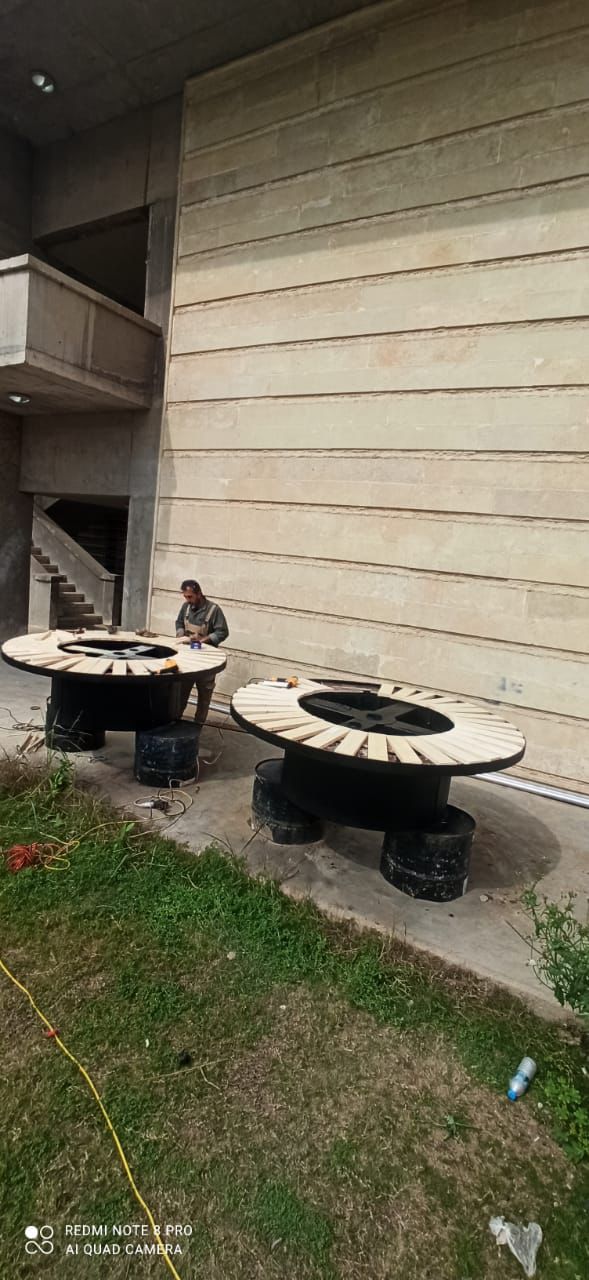
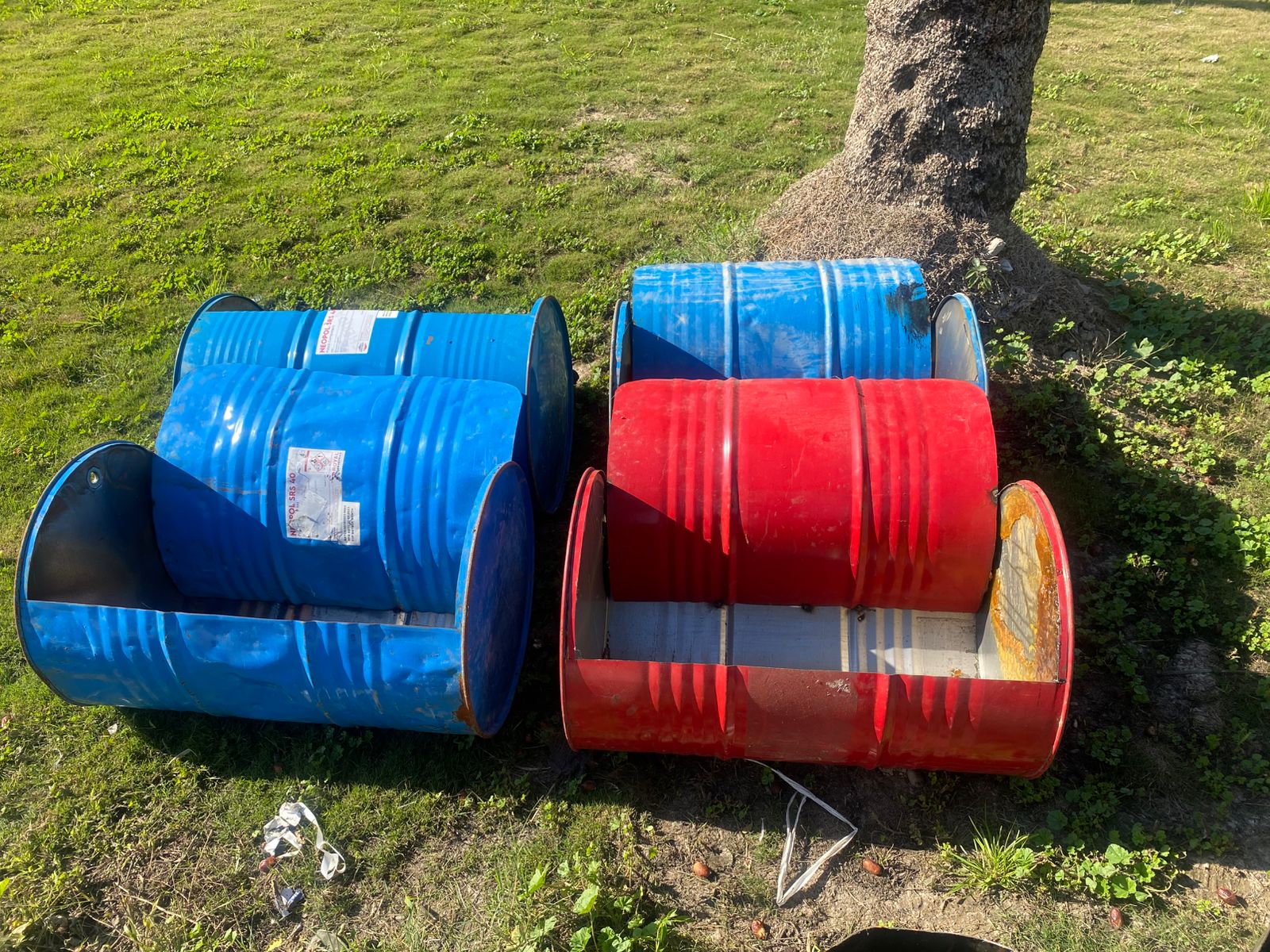
The fourth step witnessed the recycling of metal barrels, tree trunks, and electrical cable reels into benches and tables used for students’ rest areas in gardens and walkways. All of these works were completed inside the college with the assistance of students during official working hours, while final touches were completed by the night guard team.
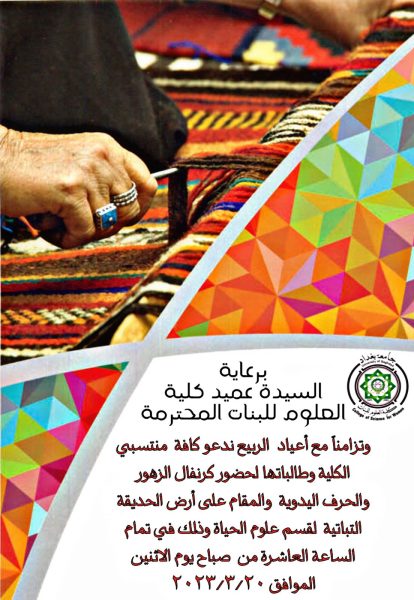
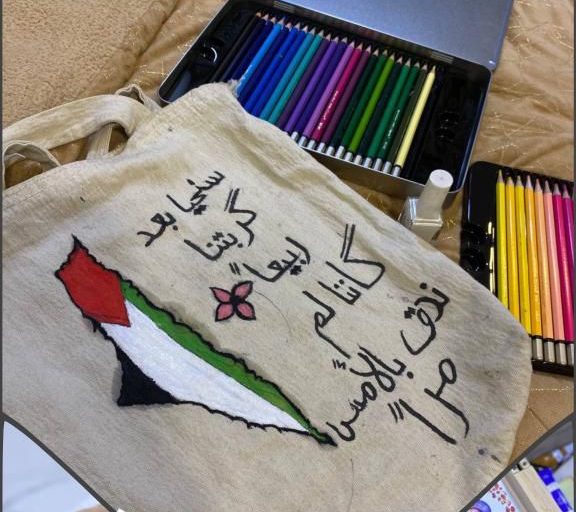
In the fifth step, the Flowers and Handicrafts Festival was held, aiming to design garden decorations based on the principle of recycling, in addition to organizing a bazaar for students’ handmade products to support handicrafts and promote their online pages in order to achieve financial stability. Even the festival tent itself was an innovative structure assembled from surplus materials stored in the college warehouses, including iron, wood, and fabric, while the tables were made from recycled car tires. This tent was also used in the University Day celebrations.
This initiative represents a pioneering model in supporting environmental sustainability, enhancing creativity and teamwork, and investing in waste materials through innovative methods that serve both the environment and the university community.