Master’s Discussion
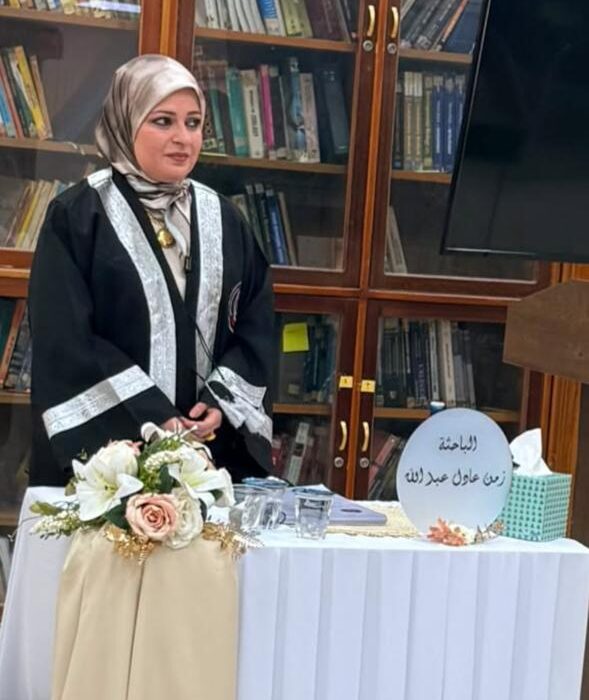
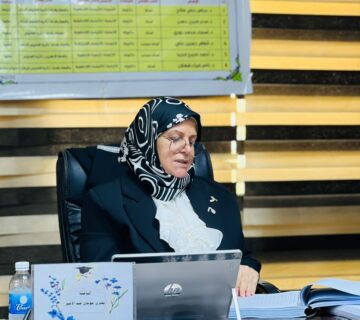
The College of Science for Women, University of Baghdad discussed the master’s thesis entitled “Physicochemical and Bacteriological Assessment of Shallow Groundwater in Some Areas of Baghdad City / Iraq,” presented by Zaman Adel Abdullah in partial fulfillment of the requirements for the degree of Master in Biology / Ecology, under the supervision of Prof. Dr. Maysoon Hassan Meshjel and Dr. Kamal Barazan Nada.
- The thesis aimed to evaluate the physicochemical and bacteriological characteristics of groundwater in selected areas of Baghdad, investigate seasonal changes in water quality, identify pollution levels and their potential sources, and assess the suitability of the water for different uses using the Water Quality Index (WQI). Ten wells located on the Karkh and Rusafa sides of Baghdad, representing agricultural, industrial, and residential land uses, were investigated during the wet season (March) and dry season (August) of 2025. The analyses included pH, temperature, electrical conductivity, total dissolved solids, total hardness, major and secondary ions, heavy metals, polycyclic aromatic hydrocarbons (PAHs), as well as bacteriological and biological pollution indicators.
The results showed clear spatial and seasonal variations in groundwater characteristics, with most ion concentrations, total dissolved solids, and electrical conductivity increasing during the dry season compared with the wet season. The studied groundwater was characterized by high hardness and salinity and weak alkalinity, with variations in hydrochemical facies among wells. Concentrations of the studied heavy metals (Mn, Zn, Cd, Pb, and Ni) were within the limits adopted in the study, whereas PAH analysis indicated contamination in several wells, with elevated concentrations at some sites. Bacteriological indicators also showed varying levels of contamination, including the detection of coliform bacteria in some wells. The WQI classified the studied waters from good to poor and very poor, with one well classified as unsuitable for drinking. Overall, the studied groundwater was considered unsuitable for direct drinking from chemical and bacteriological perspectives, while some other uses may be possible under restrictions and after appropriate assessment and treatment for each well.
- The thesis recommended avoiding the direct use of the studied well water for drinking and establishing a periodic monitoring program covering physicochemical and bacteriological parameters, heavy metals, and PAHs. It also recommended identifying and controlling pollution sources near wells, particularly industrial and agricultural activities, sewage sources, workshops, and animal enclosures; applying suitable safety distances when new wells are constructed; conducting future applied studies to select appropriate treatment technologies for the detected pollutants; and avoiding unregulated well drilling.
Excellent